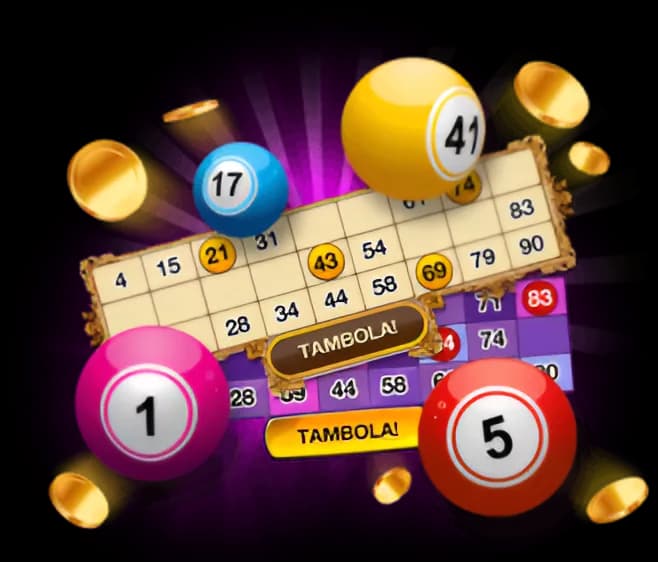
Tambola Ticket Rules: Complete Guide to Playing With Tickets
Sep 09, 2026
Learn Tambola ticket rules with a simple guide to ticket format, number arrangement, marking rules, claim verification, common mistakes, and multiple-ticket tips. Understand how Tambola tickets work and play confidently at parties, family gatherings, kitty parties, and events.

A Tambola ticket is the main playing card used during a Tambola or Housie game. Players use it to track the numbers announced by the host and complete the winning patterns defined for the game.
Although using a Tambola ticket looks simple, players can sometimes get confused about the ticket format, number arrangement, marking rules, winning claims, and what makes a claim valid.
Understanding these basics can make the game easier to follow and help avoid mistakes during a winning claim.
This guide explains Tambola ticket rules in a simple way, including how tickets are structured, how numbers are arranged, how to mark them correctly, how tickets are checked, and common mistakes players should avoid.
What Is a Tambola Ticket?
A Tambola ticket is a printed or digital card containing a set of numbers arranged in rows and columns.
In a standard Tambola game, the ticket is designed so that players can mark numbers as they are called by the host.
A traditional ticket generally contains:
- 3 rows
- 9 columns
- 15 numbers
- Blank spaces along with numbered spaces
The numbers are distributed across the ticket rather than appearing in every cell.
For example, a player may see a ticket with numbers such as 4, 17, 28, 45, 63, and 82, with blank spaces between them.
During the game, the player listens to the host and marks a number only when that number has been called.
The ticket itself does not determine the winner. The winning result depends on the pattern completed according to the rules announced by the host.
Understanding the Tambola Ticket Format
Understanding the basic ticket layout makes it easier to play.
A standard Tambola ticket contains three horizontal rows and nine vertical columns.
Each row contains five numbers and four blank spaces, giving the complete ticket a total of 15 numbers.
A simplified example looks like this:
| Column 1 | Column 2 | Column 3 | Column 4 | Column 5 | Column 6 | Column 7 | Column 8 | Column 9 |
|---|---|---|---|---|---|---|---|---|
| 4 | - | 21 | - | 45 | - | 63 | 72 | - |
| - | 15 | - | 38 | 49 | - | 67 | - | 88 |
| 7 | - | 25 | 31 | - | 56 | - | 79 | 90 |
The exact numbers will vary from ticket to ticket.
The important point is that each ticket has a fixed structure that allows numbers to be distributed across different columns.
How Numbers Are Arranged on a Tambola Ticket
The number arrangement follows a specific format.
The nine columns generally represent different number ranges.
For a standard 1–90 Tambola ticket, the columns broadly correspond to number groups:
- First column: lower numbers
- Second column: the next number range
- Middle columns: progressively higher ranges
- Last column: highest numbers
The first column generally contains numbers from the lower end of the range, while the last column contains numbers from the higher end.
This arrangement helps players find called numbers more quickly.
However, not every possible number appears on every ticket.
A player should therefore never assume that a number must be present simply because it falls within a particular range.
How to Read and Mark a Tambola Ticket
When the host calls a number, look at your ticket and check whether that number is present.
If it is present, mark it clearly.
For example, if the host calls 45 and your ticket contains 45, you can mark that number.
If 45 is not on your ticket, simply wait for the next number.
Follow These Simple Steps
- Keep your ticket in front of you.
- Listen carefully to every number called.
- Search your ticket for the number.
- Mark it only if it has been called.
- Continue checking every new number.
- Watch for the winning pattern being played.
- Claim only when you have completed the required pattern.
Use a marker that makes the number clearly identifiable without covering too much of the surrounding ticket.
For printed tickets, a pen, pencil, or suitable marker can be used.
For digital tickets, the platform may allow players to tap or select a number directly.
Tambola Ticket Rules Every Player Should Know
The exact rules can vary depending on the organizer, but several basic ticket rules are commonly followed.
1. Use the Ticket Given for the Game
- Players should use the ticket assigned or purchased for that particular game.
- Do not replace it with another ticket after the game has started unless the organizer specifically allows it.
2. Mark Only Called Numbers
- Never mark a number before it has been announced.
- Even if you know that a number is likely to be called later, it should remain unmarked.
3. Do Not Change Marked Numbers
- Once a number has been correctly marked, avoid altering the mark.
- Changing markings can create confusion during ticket verification.
4. Keep the Ticket Visible
- Keep your ticket available throughout the game.
- If a winning claim is made, the host needs to inspect the ticket.
5. Follow the Announced Winning Pattern
- A player does not win simply because several numbers have been marked.
- The required winning pattern must be completed.
- For example, if the active category is Top Line, completing numbers somewhere else on the ticket does not qualify for that particular prize.
6. Claim at the Correct Time
- Players should make a claim as soon as they complete the active winning pattern.
- Waiting too long may affect the claim depending on the rules announced by the host.
- For this reason, always listen carefully to the host's instructions before the game begins.
How Tambola Tickets Are Checked
Ticket verification is an important part of a fair Tambola game.
When a player announces a winning claim, the host should pause the game and check the ticket.
A basic verification process can include:
Step 1: Identify the Winning Category
First, confirm which prize or winning pattern the player is claiming.
Step 2: Check the Marked Numbers
Look at the player's ticket and identify the numbers they have marked.
Step 3: Compare With Called Numbers
Confirm that every marked number required for the winning pattern was actually called.
Step 4: Check the Pattern
Make sure the required pattern has been completed correctly.
Step 5: Confirm the Winner
- If everything matches the game rules, the host can announce the claim as valid.
- If a required number was not called or the pattern is incomplete, the claim should not be accepted.
- A consistent verification process helps prevent arguments and keeps the game fair for everyone.
Common Tambola Ticket Mistakes
Small mistakes can sometimes cause confusion during a game.
Marking an Uncalled Number
- One of the most common mistakes is marking a number before the host calls it.
- Always wait for the official announcement.
Missing a Called Number
- Players can sometimes miss a number because they are talking or distracted.
- Try to keep your attention on the host throughout the game.
Marking the Wrong Number
- Similar-looking numbers can occasionally be confused, especially when players are marking quickly.
- Double-check the number before marking it.
Covering the Number Completely
- If the mark makes the number impossible to identify, ticket verification can become difficult.
- Use a clear but manageable mark.
Claiming the Wrong Pattern
- A player may complete one row while the active prize requires a different pattern.
- Always confirm which winning category is currently being played.
Using Multiple Tickets Incorrectly
- Playing with several tickets requires more attention.
- Make sure each ticket is clearly separated and easy to identify.
What Happens When a Player Makes a Wrong Claim?
A wrong claim usually means that the player has announced a winning pattern that has not actually been completed.
The exact consequence depends on the rules set by the host.
For a friendly family game, the host may simply explain the mistake and continue the game.
For a more formal event, the organizer may have a predefined rule for invalid claims.
The best approach is to announce the claim rules before the game begins.
For example, the host can clearly explain:
- How claims should be announced
- When claims are accepted
- How tickets will be verified
- What happens if a claim is incorrect
This prevents disagreements later.
Tips for Managing Multiple Tambola Tickets
Some players may choose to play with two or more tickets.
Multiple tickets can increase the challenge because the player needs to monitor more numbers at the same time.
Keep Tickets Separate
Place each ticket in a clearly visible position.
Use a Consistent Checking Method
Move through your tickets in the same order after every number call.
Avoid Taking Too Many Tickets
Playing with too many tickets can make the game difficult to follow.
Choose a number that you can comfortably manage.
Mark Carefully
When several tickets are involved, it is easier to accidentally mark the wrong number.
Take an extra second to confirm the number and ticket before marking it.
Watch the Winning Categories
Having multiple tickets does not change the winning conditions.
The same announced pattern still needs to be completed correctly.
Printed vs Digital Tambola Tickets
Tambola tickets can be used in both printed and digital formats.
| Feature | Printed Ticket | Digital Ticket |
|---|---|---|
| Physical copy | Yes | No |
| Marking | Pen or pencil | Screen |
| Easy to distribute | Yes | Yes |
| Number tracking | Player managed | Can be assisted digitally |
| Suitable for online games | Limited | Excellent |
| Reusable | Usually no | Depends on platform |
| Large event management | Requires preparation | Can be easier |
Printed tickets are useful for traditional family gatherings, parties, and offline events.
Digital tickets can be convenient for online games or events where participants are using phones or computers.
Neither option is automatically better. The right choice depends on how the game is being organized.
Tambola Ticket Rules for Different Events
The basic ticket rules can remain the same while the overall experience changes according to the event.
Family Gatherings
Keep the rules simple and allow players of different ages to participate.
Younger children or older family members may need additional time to check their tickets.
Birthday Parties
Use colorful printed tickets and small prizes that match the celebration.
The host can also introduce a birthday-themed winning category.
Office Events
For office games, clearly communicate the ticket and claim rules before beginning.
If many employees are participating, use a visible number display and a structured verification process.
School Events
For children, make sure the tickets are easy to read and the calling pace is comfortable.
Adults can help younger children when required.
Community Events
For large groups, consider using a microphone and visible number display so everyone can follow the game.
Conclusion
Understanding Tambola ticket rules makes the game easier and helps players avoid unnecessary mistakes.
A standard ticket contains three rows, nine columns, and 15 numbers arranged across the ticket. Players should mark only numbers that have been called, follow the announced winning pattern, and make claims according to the host's instructions.
Whether you are using a printed ticket at a family gathering or a digital ticket for an online game, the basic principle remains the same: listen carefully, mark accurately, and claim only when the required pattern has been completed.
For hosts, clearly explaining the ticket format, marking rules, and verification process before the game starts can make the entire experience smoother and fairer.
Ready to Play Tambola?
Make your next Tambola game simple and enjoyable with easy-to-use tickets and number-calling tools from Unodigitech. Get everything ready for your game and start playing with family, friends, or your event group.
Frequently Asked Questions
Q1. How many numbers are on a standard Tambola ticket?
A standard Tambola ticket contains 15 numbers arranged across three rows and nine columns. The remaining spaces are blank.
Q2. Can I mark a number before the host calls it?
No. Players should mark a number only after the host has officially called it. Marking numbers in advance can make a winning claim invalid depending on the game rules.
Q3. How do I know if my Tambola ticket is a winner?
You need to complete the winning pattern announced by the host. Once completed, make a claim so the host can verify the ticket against the numbers that have been called.
Q4. Can I play Tambola with multiple tickets?
Yes, if the organizer allows it. However, managing multiple tickets requires more attention because you need to check every ticket whenever a number is called.
Q5. What happens if I make an incorrect Tambola claim?
The result depends on the rules announced by the host. In a casual game, the host may simply reject the claim and continue. For organized events, the organizer may have specific rules for invalid claims.