Tambola Rules for Beginners How to Play and Win
Aug 14, 2026
Learn the complete Tambola rules for beginners, including ticket structure, winning patterns, gameplay, and expert tips. This easy guide explains how to play Tambola, Housie rules, and common winning combinations for family, community, and online games.

Tambola, also known as Housie, is one of the most popular number games played at family gatherings, apartment events, corporate parties, schools, clubs, and online gaming platforms. Its simple gameplay, exciting winning patterns, and ability to entertain people of all ages make it a favorite choice for social events.
If you're new to the game, understanding the Tambola rules is the first step toward enjoying every round confidently. This complete guide explains everything you need to know—from ticket structure and number calling to winning patterns and common mistakes.
Whether you're hosting your first Tambola event or joining one, this guide covers all the essential Tambola game rules in an easy-to-understand format.
Download Tambola Game App Free and Easy to Play
What Is Tambola?
Tambola is a popular number-based party game, also known as Housie in many places. Players receive tickets containing numbers, while a caller announces numbers randomly from 1 to 90. Players mark matching numbers on their tickets and claim prizes when they complete specific winning patterns such as Early Five, a line, or Full House.
Tambola is easy to learn and can be played at family gatherings, kitty parties, office events, festivals, and online celebrations. If you're new to the game, understanding the basic Tambola rules will help you enjoy the game and avoid common mistakes.
How to Play Tambola Step by Step
Learning how to play Tambola is simple. A typical game follows these steps:
1. Get a Tambola Ticket
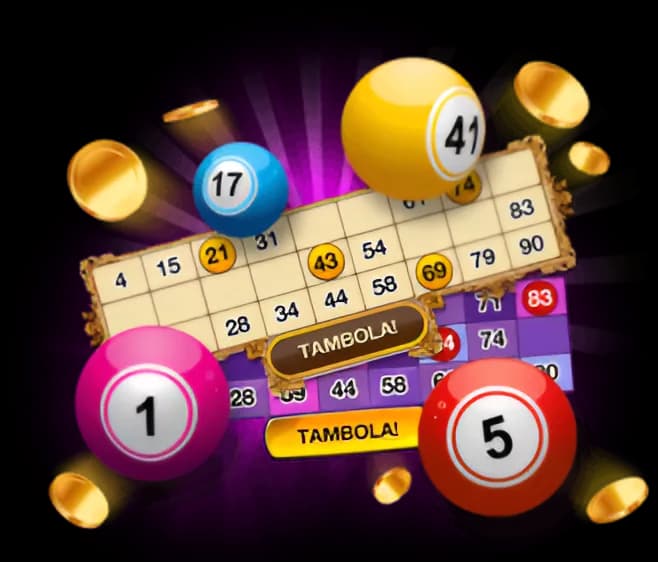
Each player receives one or more Tambola tickets. A standard ticket contains 15 numbers arranged across three rows and nine columns, with blank spaces between the numbers.
If you want to create tickets before your game, you can use a Tambola ticket generator to prepare printable or digital tickets.
2. Choose a Tambola Caller
One person acts as the caller or host. The caller randomly selects numbers from 1 to 90 and announces them clearly to all players.
For online games, a Tambola number generator can be used to select and display numbers for players randomly.
3. Listen for Your Numbers
Players carefully listen to every number announced by the caller. If the called number appears on a player's ticket, they mark it.
For example, if the caller announces 42 and your ticket contains 42, you should mark that number.
4. Complete a Winning Pattern
The objective of playing Tambola is to complete one or more predefined winning patterns. Common patterns include Early Five, Top Line, Middle Line, Bottom Line, and Full House.
You can learn more about Tambola winning patterns before starting the game so that you know when to make a valid claim.
5. Claim Your Prize
When you complete a winning pattern, announce your claim immediately. The host checks your ticket against the numbers that have already been called.
If your claim is valid, you win the corresponding prize.
6. Continue Until the Game Ends
After one prize is claimed, the game can continue for other winning categories. A game may finish when the Full House is completed, depending on the rules decided by the host.
Tambola Game Rules for Beginners
Understanding the basic Tambola game rules makes the game fair and enjoyable for everyone. Hosts can establish their own prize categories, but the following rules are commonly used.
Rule 1: Use Valid Tambola Tickets
Every player should receive a valid ticket before the game begins. A standard Tambola ticket generally contains 15 numbers.
Rule 2: Numbers Are Called Randomly
The caller should select numbers randomly from 1 to 90. No number should be deliberately selected to favor a particular player.
Rule 3: Players Must Mark Called Numbers
Players should mark a number only after the caller has announced it.
If a number has not been called, it should not be marked.
Rule 4: Claims Must Be Made on Time
Players should announce their winning claim as soon as they complete the relevant pattern.
For example, if you complete the Top Line, call out "Top Line!" before another number is announced.
Rule 5: The Host Must Verify Every Claim
The caller or host should check the player's ticket against the numbers already announced.
A winning claim is valid only when all required numbers in the pattern have been called.
Rule 6: Decide Prize Categories Before Starting
Before playing Tambola, announce which winning patterns will have prizes.
For example:
- Early Five
- Top Line
- Middle Line
- Bottom Line
- Full House
You can also introduce creative Tambola themes depending on the type of event.
Rule 7: Decide How Ties Will Be Handled
Sometimes two or more players complete the same winning pattern at nearly the same time. The host should decide in advance whether the prize will be shared or awarded according to the game's claim rules.
Housie Game Rules and Tambola Rules
Many people ask whether there is a difference between Housie game rules and Tambola rules. In reality, both games are almost identical. The term Tambola is commonly used in India, while Housie is popular in countries such as the UK and Australia.
The ticket structure, number-calling process, and winning patterns remain largely the same. Although the names differ, the gameplay experience is identical. You can read our detailed comparison in the Housie Game vs Tambola article to understand the terminology, history, and regional variations.
Feature Tambola Housie
- Number range Usually 1–90 Usually 1–90
- Ticket-based game Yes Yes
- Number caller Yes Yes
- Common winning patterns Early Five, Lines, Full House Lines, Full House, and other patterns
- Gameplay Number marking Number marking
The biggest difference is often the terminology rather than the core gameplay. In India and many other regions, people commonly use Tambola and Housie interchangeably.
However, hosts can introduce different winning combinations, prize categories, or house rules. Therefore, it is always best to explain the rules before starting the game.
How Winning Patterns Work in Tambola
Winning patterns are an important part of Tambola rules. Before the game begins, the host should clearly announce which patterns will receive prizes.
Early Five
Early Five is awarded to the player who first marks any five numbers on their ticket.
The five numbers do not necessarily have to be in the same row.
Example:
If you have marked five called numbers anywhere on your ticket, you can claim Early Five.
Top Line
The Top Line is completed when all five numbers in the first row of the ticket have been called and marked.
Middle Line
The Middle Line is completed when all five numbers in the second row have been called and marked.
Bottom Line
The Bottom Line is completed when all five numbers in the third row have been called and marked.
Full House
Full House is one of the most popular Tambola winning patterns.
A player wins Full House after marking all 15 numbers on their ticket.
Because it usually takes longer to complete, Full House is often given a larger prize than individual line prizes.
Other Creative Patterns
Hosts can also introduce additional patterns for special events, such as:
- Four Corners
- Star Pattern
- Pyramid
- First Four Corners
- Lucky Number
- Special Shape
If you use custom patterns, explain them clearly before the game starts so every player understands how to win.
Common Tambola Rules Questions
How many numbers are used in Tambola?
A traditional Tambola game generally uses numbers from 1 to 90. The caller randomly announces these numbers during the game.
How many numbers are on a Tambola ticket?
A standard Tambola ticket contains 15 numbers, arranged across three rows and nine columns.
Is Tambola the same as Housie?
Tambola and Housie generally describe the same type of number-based game. The name and some rules may vary depending on the location and organizer.
What is Early Five in Tambola?
Early Five is a winning pattern awarded to the player who first marks any five numbers on their ticket.
What is Full House in Tambola?
Full House is completed when a player marks all 15 numbers on their Tambola ticket.
How many people can play Tambola?
There is no fixed maximum number of players. The number of participants depends on how many tickets are available and how the host organizes the game.
Can Tambola be played online?
Yes. Online Tambola can be played using digital tickets, an online number generator, video calls, or dedicated game platforms. It is useful for remote family gatherings, office events, and virtual parties.
For remote groups, virtual Tambola is another convenient way to organize the game with friends, family members, or colleagues who are in different locations.
Can one person use multiple Tambola tickets?
This depends on the rules established by the host. Multiple tickets can make the game more challenging because players need to track more numbers.
What happens when two players claim the same prize?
The host should follow the tie-breaking rule announced before the game. Depending on the event, the prize may be shared or handled according to a predetermined rule.
Is Tambola based entirely on luck?
Traditional Tambola is primarily a game of chance because numbers are randomly called. However, players can improve their experience by staying attentive, organizing their tickets, and marking numbers accurately.
More Tambola Resources
Once you understand the basic Tambola rules, you can explore other resources to organize a complete Tambola game.
- Use a Tambola Number Generator to call numbers randomly.
- Create tickets with a Tambola Ticket Generator.
- Try an Online Tambola Game for remote players.
- Organize a Virtual Tambola event with friends and colleagues.
- Explore creative Tambola Themes for parties and celebrations.
- Try different Tambola Games for Office Parties to make corporate events more engaging.
Whether you're organizing a family gathering, kitty party, festival celebration, or corporate event, understanding how to play Tambola and setting clear Tambola game rules before the game begins helps ensure everyone has a fun and fair experience.
Advanced Tambola Winning Patterns
Many organizers introduce extra prizes to make the game more exciting.
Examples include:
- Four Corners
- Star Pattern
- Pyramid
- Letter X
- Letter T
- Letter H
- Corners with Center
- Lucky Seven
- Breakfast Pattern
- Diamond Pattern
Always ask the organizer which patterns are included before the game starts.
Housie Rules Explained
Since Tambola is also called Housie, the Housie rules are almost identical.
The basic Housie rules include:
- Numbers are called randomly.
- Players mark matching numbers.
- Winning patterns must be completed exactly.
- False claims are rejected.
- Verification is mandatory.
Tips to Win at Tambola
Although Tambola is a game of luck, these tips can improve your overall experience.
Buy Multiple Tickets
More tickets increase your chances.
However, ensure you can manage them efficiently.
Stay Focused
Listen carefully.
Missing a number is one of the biggest mistakes beginners make.
Arrange Tickets Properly
Keep tickets organized to avoid confusion.
Know Every Winning Pattern
Understand all announced patterns before the game starts.
Avoid Distractions
Don't chat while numbers are being announced.
Common Mistakes Beginners Make
Avoid these common errors.
Missing Called Numbers
Always pay attention.
Claiming Too Early
Double-check every number before shouting "Tambola!"
Not Understanding Patterns
Read the pattern carefully.
Confusing Rows
Top, middle, and bottom rows are different prizes.
Misplacing Tickets
Never mix your tickets during gameplay.
Online Tambola Rules
Online Tambola follows almost the same rules.
Additional features include:
- Automatic number marking
- Live number calling
- Instant winner verification
- Digital tickets
- Online leaderboards
- Multiple simultaneous games
Many apartment management platforms and event organizers now host digital Tambola games for residents.
Benefits of Playing Tambola
Tambola offers much more than entertainment.
Benefits include:
- Improves concentration
- Enhances observation skills
- Encourages social interaction
- Suitable for all age groups
- Easy to learn
- Great for community engagement
- Perfect for festivals and celebrations
Tambola Etiquette
Good etiquette makes the game enjoyable for everyone.
- Arrive before the game starts.
- Keep your ticket safe.
- Avoid distracting other players.
- Verify your ticket before claiming.
- Respect the organizer's decision.
- Celebrate wins graciously.
Final Thoughts:
Learning the Tambola rules is simple, making it one of the most accessible games for players of all ages. Whether you're playing at a family gathering, apartment community event, office celebration, or online tournament, understanding the ticket structure, winning patterns, and game flow ensures a fun and fair experience. For beginners, start with the basic Tambola game rules, familiarize yourself with common Tambola winning patterns, and always pay close attention to the numbers being called. With a little practice, you'll quickly become confident in how to play Tambola and enjoy every exciting round.
Download the Tambola Game App Free and Easy to Play
Frequently Asked Questions
Q1. What are the basic Tambola rules?
Players receive tickets, numbers from 1–90 are called randomly, matching numbers are marked, and winners are declared after completing announced winning patterns.
Q2. How many numbers are on a Tambola ticket?
A standard ticket contains 15 numbers arranged across 3 rows and 9 columns.
Q3. What is the first winning pattern in Tambola?
In most games, Early Five is the first winning pattern announced.
Q4. Can two players win the same prize?
Yes. If both players complete the pattern on the same called number and the organizer allows shared winners, both may receive the prize.
Q5. Is Tambola the same as Housie?
Yes. Tambola and Housie refer to the same game in India. The gameplay and rules are identical.