Tambola for Senior Citizens: Simple Game Ideas, Rules & Tips
Sep 15, 2026
Discover how to organize Tambola for senior citizens with simple rules, easy-to-read tickets, comfortable game ideas, suitable winning patterns, clear number calling, prize suggestions, and hosting tips for home, family gatherings, community events, and social activities.
Tambola is a simple number-based game that can bring people together for an enjoyable social activity. For senior citizens, it can be a fun way to spend time with friends, family members, neighbors, or other members of a community.
The basic game does not need to be changed for older players. However, small adjustments to the way the game is organized can make it easier and more comfortable to participate. Clear number calling, readable tickets, a suitable playing pace, and familiar winning patterns can make a significant difference.
Whether you are planning a Tambola game at home, in a senior citizen community, during a family gathering, or at a social event, the goal should be to keep the game easy to follow and enjoyable for everyone.
This guide explains how to organize Tambola for senior citizens, make number calling easier to hear, choose suitable tickets and patterns, and add simple ideas to make the game more engaging.
What Is Tambola for Senior Citizens?
Tambola for senior citizens is the same basic number game played by people of different age groups, but the game can be organized with their comfort and participation in mind.
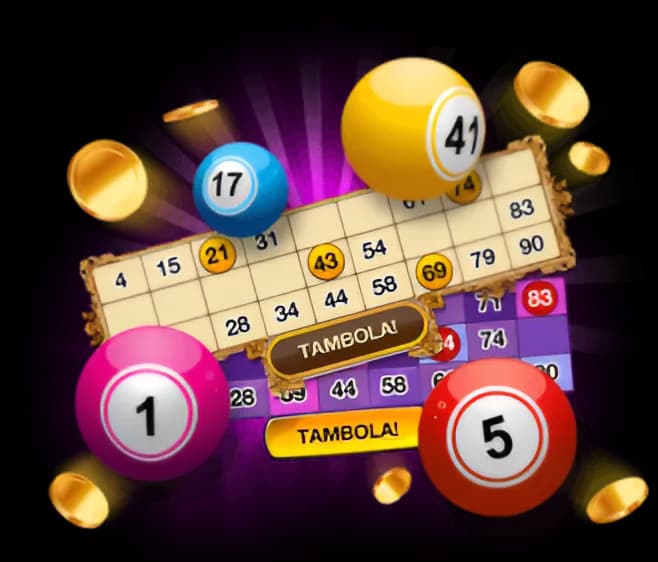
Players receive Tambola tickets containing numbers. A host or number caller announces numbers one at a time, and players mark the numbers that appear on their tickets. Players then claim a winning pattern according to the rules announced before the game begins.
For senior players, the organization of the game is especially important. The caller should announce numbers clearly and allow enough time for players to identify and mark them.
A comfortable seating arrangement and good lighting can also make the experience easier.
The game can be played with:
- Family members at home.
- Friends and neighbors.
- Senior citizen groups.
- Community gatherings.
- Social and festive events.
The format can remain simple while the presentation is adjusted to suit the players.
Why Tambola Is a Good Game for Seniors
Tambola can work well as a group activity because it is easy to understand and does not require complicated equipment. Players can participate while sitting comfortably and interacting with others.
The social aspect is one of the main attractions. People can talk before and after the game, enjoy the excitement of number calling, and celebrate winners together.
It can also be adapted to different group sizes. A small family can play at home, while a larger group can organize a structured game during a community event.
Some benefits of choosing Tambola as a group activity include:
- Easy-to-understand gameplay.
- Opportunity for social interaction.
- Suitable for different group sizes.
- Simple materials and preparation.
- Flexible options for prizes and winning patterns.
The emphasis should be on participation and enjoyment rather than making the game unnecessarily competitive.
How to Organize Tambola for Senior Citizens
A good setup can make the game much easier to follow. Start by choosing a comfortable location with enough seating for everyone.
Make sure the room has adequate lighting so players can clearly see their tickets. Arrange chairs so players can hear the caller without having to constantly turn around.
Before starting, explain the winning patterns and claim rules. It is better to answer questions before the first number is called rather than interrupting the game repeatedly.
Keep the required materials ready before players sit down.
You may need:
- Tambola tickets for every player.
- Pens or suitable markers.
- A number-calling system.
- A list of winning patterns.
- Small prizes for winners.
If the group includes players with different levels of familiarity, explain the basic process briefly before beginning.
Simple Tambola Rules for Older Players
The standard Tambola rules can be used for senior citizens. The important part is making the rules easy to understand.
Before the game starts, tell players which winning patterns will be available and how a player should announce a claim.
For example, the host may choose a first claim such as Early Five, followed by one or more line claims and Full House.
When a number is announced, players check their tickets and mark the matching number. If they believe they have completed the required pattern, they should make a claim according to the host's instructions.
Keep the rules consistent throughout the game.
It can help to:
- Explain each winning pattern before playing.
- Announce the rules clearly.
- Repeat important instructions when necessary.
- Give players enough time to mark their tickets.
- Verify every winning claim before awarding a prize.
A simple and predictable format helps everyone stay comfortable.
How to Make Number Calling Easier to Hear
Number calling is one of the most important parts of Tambola. If players cannot hear the numbers clearly, they may miss numbers on their tickets.
For a senior citizen game, the caller should speak loudly enough for the entire group without shouting. Numbers should be pronounced clearly and at a steady pace.
Avoid calling numbers while people are still talking loudly or while background music is playing.
If the group is large, consider using a microphone if one is available.
The caller can also repeat each number when necessary.
A useful calling routine is:
Announce the number → pause → repeat if needed → allow players to mark → continue.
The pace should be comfortable rather than rushed. A slightly slower game can help players stay involved and reduce confusion.
Choosing Easy-to-Read Tambola Tickets
Tickets should be easy to see and mark. Small or unclear print can make the game unnecessarily difficult.
When preparing printed tickets, choose a clear layout and make sure the numbers are large enough for players to read comfortably.
Good lighting is equally important. Avoid placing tickets in areas with strong glare or poor visibility.
If digital tickets are being used, make sure players are comfortable viewing them on their devices. Printed tickets may be easier for some groups because they can be placed directly in front of the player.
When preparing tickets, consider:
- Clear and readable numbers.
- Adequate ticket size.
- Good lighting.
- Easy access to a pen or marker.
- Enough space around each ticket.
The objective is to make marking straightforward so players can concentrate on the game.
Best Tambola Winning Patterns for Seniors
There is no single winning pattern that every senior citizen group must use. The host can select patterns based on the players and the type of event.
Simple patterns are generally easier to understand and monitor. Early Five and individual lines are examples of straightforward winning categories.
Full House can be used as a later or final winning category.
If the group includes many first-time players, avoid introducing too many complicated patterns at once. Explain each pattern clearly before the game begins.
Some commonly used options include:
- Early Five.
- Top Line.
- Middle Line.
- Bottom Line.
- Four Corners.
- Full House.
The selected patterns should be announced before the game so players know what they are trying to complete.
Fun Tambola Ideas for Senior Citizens
The basic Tambola format can be made more enjoyable with small additions that do not make the game difficult to follow.
For example, the host can introduce a simple theme based on a festival, family gathering, or community celebration.
The caller can also use a friendly style when announcing numbers, provided the actual number remains clear.
For special occasions, prizes can be connected to the theme.
Some simple ideas include:
Festival Tambola
Organize the game around a festival and decorate the playing area accordingly.
Birthday Tambola
Use Tambola as one of the activities during a family member's birthday celebration.
Family Tambola
Invite different generations of the family to play together.
Community Tambola
Organize a regular game for residents or members of a local senior citizen group.
Special Occasion Tambola
Use the game during anniversaries, reunions, or other social gatherings.
The main idea is to add personality to the event without making the game confusing.
Tambola Games for Seniors at Home
Tambola does not require a large venue. Families can organize a small game at home with a few players.
Choose a comfortable room and arrange seating so everyone can hear the caller. Keep the tickets and markers ready before starting.
For a smaller group, the host can personally check that everyone understands the winning patterns.
Home games can also include family members of different ages. Children, adults, and seniors can play together, making Tambola a shared family activity.
For a home game:
- Keep the number of players manageable.
- Use a comfortable seating arrangement.
- Keep background noise low.
- Choose simple winning patterns.
- Give everyone enough time to mark numbers.
A relaxed home environment can make the game more enjoyable.
Tambola for Senior Citizen Communities and Events
Tambola can also be used as a group activity during community gatherings and social events.
For a larger group, preparation becomes more important. The host should organize tickets in advance and decide the winning patterns before the event.
Number calling should be clear enough for everyone in the room. If the venue is large, a microphone or sound system may help.
It is also useful to have someone assist the host with checking winning claims.
A well-organized community game can include:
- Pre-arranged seating.
- Clearly printed tickets.
- A designated number caller.
- Someone responsible for checking claims.
- Prizes prepared before the game.
These small preparations can reduce interruptions during the game.
Prize Ideas for Senior Tambola Games
Prizes can add excitement without needing to be expensive. The choice depends on the occasion, group, and available budget.
For a family game, small practical gifts can work well. For community events, organizers can select prizes based on the event theme.
Possible prize categories include:
- Small household items.
- Gift vouchers.
- Books or magazines.
- Plants.
- Decorative items.
- Event-themed gifts.
The prize does not need to be the main attraction. Recognition and participation can be just as important.
For multiple winning categories, organizers can prepare different prizes so that several players have an opportunity to win.
Tips to Make the Game Comfortable and Enjoyable
The best senior citizen Tambola games are easy to hear, easy to see, and easy to understand.
Avoid rushing through the numbers. Give players enough time to locate and mark numbers before moving to the next call.
Keep the rules visible or repeat them when necessary. If someone has a question, pause briefly and clarify it rather than allowing confusion to continue.
It is also helpful to keep the atmosphere friendly.
Remember these points:
- Use clear number calling.
- Maintain a comfortable pace.
- Provide readable tickets.
- Keep seating comfortable.
- Avoid unnecessary background noise.
- Explain claims clearly.
The host's approach can have a major impact on how enjoyable the game feels.
Common Mistakes to Avoid
Organizers sometimes focus heavily on prizes and decorations while overlooking basic game accessibility.
A few simple mistakes can make Tambola difficult for senior players.
Calling Numbers Too Quickly
A fast pace can make it difficult for players to find and mark numbers.
Using Small Tickets
Numbers that are difficult to read can cause unnecessary frustration.
Playing With Too Much Background Noise
Music and conversations can make number calling difficult to hear.
Changing Rules During the Game
Players should know the winning categories before the game begins.
Not Repeating Numbers When Needed
If a player does not hear a number clearly, repeating it can help avoid missed calls.
Making the Game Too Complicated
Too many unusual patterns can make the game harder to follow. Simple patterns are often better for a relaxed group game.
Conclusion
Tambola for senior citizens can be a simple and enjoyable group activity when the game is organized around clear communication and comfortable participation. The standard rules do not need major changes. Instead, focus on readable tickets, clear number calling, suitable winning patterns, comfortable seating, and a relaxed pace.
Whether you are organizing Tambola at home, during a family gathering, or at a community event, small preparations can make the experience easier for everyone.
The goal is not only to find winners but also to create an enjoyable activity where everyone can participate, interact, and have fun.
Make Every Tambola Game More Enjoyable
Bring senior citizens together for a fun and comfortable Tambola experience with easy-to-use tickets and simple game organization. Whether it’s a family gathering, community event, or social activity, make your next Tambola game enjoyable for everyone.
Start your Tambola game with Unodigitech today!
Frequently Asked Questions
Q1. Is Tambola suitable for senior citizens?
Yes. Tambola is a simple number-based game that can be played while seated and can be adapted with clear tickets, comfortable number calling, and an appropriate pace.
Q2. How can Tambola be made easier for seniors?
Use readable tickets, good lighting, clear number calling, comfortable seating, and simple winning patterns. Allow enough time for players to mark their tickets.
Q3. Which Tambola patterns are suitable for senior citizens?
Simple patterns such as Early Five, Top Line, Middle Line, Bottom Line, Four Corners, and Full House can be used. The host should explain the selected patterns before the game begins.
Q4. Can senior citizens play Tambola at home?
Yes. A small group can easily organize Tambola at home using tickets, markers, and a number-calling method. A quiet and comfortable room can make the game easier to follow.
Q5. How fast should numbers be called in a senior Tambola game?
Numbers should be called at a comfortable and consistent pace. The caller can pause briefly between numbers and repeat a number when players need clarification.