Tambola for School Events: Fun Game Ideas, Rules & Setup
Sep 25, 2026
Make school events more engaging with Tambola. Discover fun game ideas, simple rules, educational variations, winning patterns, prize suggestions, and hosting tips for students, teachers, and parents.
School events bring together students, teachers, parents, and staff for different activities and celebrations. Games can make these events more interactive and give participants an opportunity to enjoy time together outside regular classroom activities. Tambola for school events is one simple game that can be adapted for school functions, annual days, family events, fundraisers, celebrations, and other group activities.
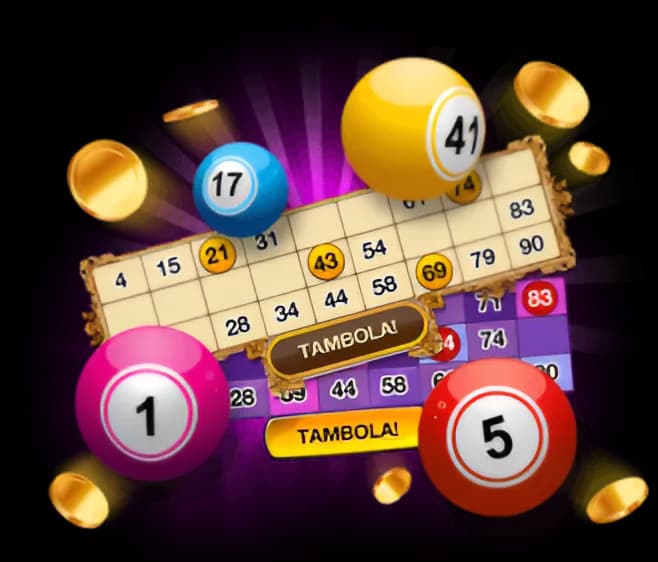
The traditional Tambola format is easy to understand. Players receive tickets, numbers are called one by one, and participants mark the numbers that appear on their tickets. Winners are announced when they complete the selected patterns.
For school events, the game can also include educational questions, subject-based rounds, teacher challenges, and simple prizes. This allows organizers to keep the activity entertaining while adding a learning element when appropriate.
This guide explains how to organize Tambola at a school event, game ideas for students, educational variations, teacher and parent formats, winning patterns, prizes, and hosting tips.
What Is Tambola for School Events?
Tambola for school events is a version of the traditional Tambola game organized specifically for students, teachers, parents, or school communities.
The basic rules can remain the same. Participants receive tickets and mark the numbers called by the host. When they complete a selected winning pattern, they can make a claim.
The school theme can be introduced through the questions, announcements, prizes, and activities used between rounds.
For example, organizers can:
- Add simple educational questions between rounds.
- Use school-related prize names.
- Organize separate rounds for students, teachers, or parents.
- Include subject-based Tambola activities.
- Connect the game with a school celebration or event theme.
The format can be adjusted depending on the age of the students and the type of school event.
Why Tambola Works Well for School Events
School events often involve large groups, which makes group games useful for keeping participants engaged.
Easy to Organize
Once the tickets, caller, winning patterns, and prizes are prepared, the game can be conducted with a simple setup.
Suitable for Groups
Tambola can accommodate many participants, making it suitable for school functions and larger gatherings.
Encourages Participation
Students and other participants remain involved throughout the game because they need to listen for each number and check their tickets.
Can Include Learning Activities
The traditional game can be combined with simple questions related to subjects, general knowledge, vocabulary, or school activities.
Flexible for Different Events
Tambola can be used during:
- Annual day programs
- School fairs
- Family days
- Class celebrations
- School fundraisers
- Cultural events
- Community programs
The game format can be adjusted depending on the event and participants.
How to Organize Tambola at a School Event
A successful school Tambola game needs a little preparation. Organizers should decide the participants, game format, winning patterns, tickets, prizes, and calling method before the event begins.
1. Decide Who Will Participate
First, decide whether the game is for students, teachers, parents, or everyone together.
For younger students, organizers may choose a simpler format and provide additional guidance.
If students and adults are playing together, make sure the rules are clearly explained to everyone.
2. Choose the Event Timing
Select a suitable time in the school program.
Tambola can be organized as a dedicated activity or included between other event activities.
Make sure participants have enough time to complete the game without rushing.
3. Prepare the Tickets
Arrange enough tickets for the expected number of participants.
Keep some extra tickets available in case additional students, parents, or teachers want to participate.
For larger events, tickets can be prepared in advance to make distribution easier.
4. Select Winning Patterns
Choose the winning patterns before starting the game.
Common options include:
- Early Five
- Top Line
- Middle Line
- Bottom Line
- Four Corners
- Full House
For younger participants, organizers can start with simpler patterns and explain each one before the game.
5. Arrange the Prizes
Prepare prizes according to the selected winning categories.
Small prizes can be used for individual rounds, while a larger prize can be reserved for Full House.
6. Choose a Caller
Select someone who can clearly announce the numbers and keep the game moving.
For a large school event, using a microphone or sound system can help participants hear the numbers properly.
7. Explain the Rules
Before the first number is called, explain:
- How to mark the ticket.
- Which patterns are winning categories.
- How to make a winning claim.
- How claims will be checked.
- What happens when multiple participants claim at the same time.
A clear explanation at the beginning helps avoid confusion.
Tambola Game Ideas for Students
The traditional game can be adapted to suit different student age groups.
School Theme Tambola
Use school-related ideas throughout the game.
The host can include short references to:
- Class activities
- School subjects
- Sports
- School celebrations
- Clubs
- School traditions
This can make the game feel connected to the event.
Student Challenge Round
Between selected Tambola rounds, ask students a simple question or give them a short challenge.
For example:
- Name a school subject.
- Answer a simple general knowledge question.
- Identify a famous landmark.
- Name a sport.
- Complete a short word puzzle.
The activities should be suitable for the age group.
House or Team Tambola
If the school uses houses or teams, students can participate as groups.
The regular Tambola game can continue while points or small rewards are given to teams for selected activities.
Friendship Tambola
For informal school celebrations, students can play Tambola while participating in short friendship-related activities.
For example, a host can ask students to name a classmate who helped them during the school year or share a positive memory.
The focus should remain on creating a friendly and inclusive activity.
Educational Tambola Ideas
Tambola can also be adapted into a simple educational game.
Mathematics Tambola
The host can give a mathematical clue before announcing a number.
For example, the clue could involve:
- Simple addition
- Subtraction
- Multiplication
- Division
- Number sequences
The difficulty should match the students' age and class level.
Vocabulary Tambola
Instead of only calling numbers, the host can occasionally give a word-related clue.
Students can identify:
- Synonyms
- Antonyms
- Word meanings
- Simple spelling
- Vocabulary categories
The actual ticket gameplay can remain unchanged.
General Knowledge Tambola
Add short general knowledge questions between rounds.
Topics can include:
- Science
- Geography
- History
- Sports
- Nature
- Famous people
- Countries and capitals
Keep the questions appropriate for the students participating.
Science Tambola
For science-related school activities, the host can include simple questions about animals, plants, space, the human body, or everyday science.
This can make the game useful as a light educational activity while keeping the competitive element of Tambola.
Language Tambola
Language teachers can adapt the activity around grammar, vocabulary, or reading topics.
For example, students could answer a short language question before the next number is called.
The educational component should remain simple enough that the game does not become a classroom test.
Tambola for Teachers and Parents
Tambola does not have to be limited to students. Teachers and parents can also participate during school events.
Teachers' Tambola
A separate round can be organized for teachers during staff celebrations or school functions.
The host can use light school-related questions and fun activities between rounds.
Parents' Tambola
Parents can participate during parent-school events, family days, or school celebrations.
This can provide an activity that does not require previous Tambola experience beyond understanding the basic rules.
Teachers and Parents Together
For larger school events, teachers and parents can play together.
This format can be useful when the purpose is social interaction rather than competition between different groups.
Separate Rounds
If students, teachers, and parents have very different requirements, organizers can conduct separate rounds.
This makes it easier to choose suitable questions, prizes, and game difficulty for each group.
School Tambola Winning Patterns
Winning patterns should be simple and clearly explained before the game starts.
Early Five
The first participant to mark any five numbers on their ticket wins the Early Five prize.
Top Line
The participant who marks all numbers in the top row first wins.
Middle Line
The participant who completes the middle row first wins.
Bottom Line
The first participant to complete the bottom row wins.
Four Corners
The participant who marks the required four corner numbers first wins.
Full House
The first participant to mark all the numbers on their ticket wins the Full House prize.
For a short school event, organizers can select only a few patterns instead of using every category.
Prize Ideas for School Tambola
School Tambola prizes do not need to be expensive. Small and useful rewards can make the game enjoyable.
Student Prize Ideas
- Notebooks
- Pens
- Pencil sets
- Art supplies
- Storybooks
- School stationery
- Small educational games
Teacher Prize Ideas
- Notebooks
- Mugs
- Stationery sets
- Gift vouchers
- Small desk accessories
- Gift hampers
Parent Prize Ideas
- Gift vouchers
- Snack hampers
- Home accessories
- Plants
- Mugs
- Small gift boxes
The prizes should match the age group and type of school event.
Tips for Hosting Tambola at School
Prepare Everything in Advance
Keep tickets, markers, prizes, and the number-calling method ready before participants arrive.
Use a Microphone for Large Events
When many students or parents are participating, clear audio becomes important. Make sure the caller can be heard from different parts of the venue.
Keep the Rules Simple
Students and first-time players should be able to understand the game without a long explanation.
Use Age-Appropriate Questions
If educational questions are included, match them to the participants' age and class level.
Track Called Numbers
The caller should maintain a clear record of numbers that have already been announced.
This helps avoid accidental duplicate calls.
Verify Winning Claims
When a participant claims a winning pattern, check the ticket before awarding the prize.
For large groups, have another organizer assist with verification.
Keep the Game Moving
Avoid long breaks between numbers. School events usually have multiple activities, so the Tambola session should fit comfortably into the schedule.
Common Mistakes to Avoid
Making the Game Too Difficult
Complex rules or complicated educational questions can make the game less enjoyable, especially for younger students.
Calling Numbers Too Quickly
Give participants enough time to find and mark each number.
Choosing Too Many Winning Categories
Too many patterns can make the game difficult to manage. Select categories based on the available time.
Not Preparing Extra Tickets
Keep a few additional tickets available for participants who decide to join later.
Poor Sound Quality
If participants cannot hear the caller clearly, they may miss numbers. Test the microphone and sound system before starting.
Mixing Different Age Groups Without Planning
If very young students and adults are playing together, consider whether the questions and game format are suitable for everyone.
Conclusion
Tambola for school events can be a simple way to add a group activity to annual days, school fairs, family events, celebrations, and other programs.
The traditional game is easy to adapt. Schools can introduce educational questions, subject-based rounds, teacher and parent sessions, team activities, and age-appropriate prizes without changing the basic Tambola format.
Good preparation is the key to a smooth game. Arrange enough tickets, select suitable winning patterns, prepare the prizes, test the sound system, choose a caller, and explain the rules before starting.
Whether the game is organized for students, teachers, parents, or the wider school community, keeping the rules clear and the activities appropriate for the participants can make the Tambola session a simple and enjoyable part of the event.
Make Your School Event More Fun with Tambola
Planning a Tambola game for a school event? Make your game setup simple with Unodigitech’s easy-to-use Tambola tools for tickets and number calling.
Prepare your tickets, organize your winning patterns, and bring students, teachers, and parents together for a fun and interactive game.
Get your Tambola game ready with Unodigitech and make your school event more enjoyable!
Frequently Asked Questions
Q1. Can Tambola be played at school events?
Yes. Tambola can be organized during annual days, school fairs, family events, celebrations, fundraisers, and other school programs. The format can be adjusted according to the participants.
Q2. How can Tambola be made educational?
Schools can add simple mathematics, vocabulary, science, language, or general knowledge questions between Tambola rounds. The questions should match the participants' age and learning level.
Q3. Can students and teachers play Tambola together?
Yes. Students, teachers, and parents can participate together if the rules and activities are suitable for the group. Separate rounds can also be organized when needed.
Q4. What prizes can be given for school Tambola?
Suitable prizes can include notebooks, pens, stationery, storybooks, art supplies, educational games, gift vouchers, mugs, and small gift hampers.
Q5. Which Tambola patterns are suitable for school events?
Common patterns include Early Five, Top Line, Middle Line, Bottom Line, Four Corners, and Full House. Organizers can select a few patterns based on the event duration and participant age group.