How Brands Can Advertise on an Online Gaming Platform
Nov 05, 2026
Discover how to advertise on an online gaming platform with a practical approach to audience selection, creative planning, placement strategy, campaign measurement, and responsible brand promotion in online games.
Online gaming platforms give brands access to audiences who are already engaged, attentive, and spending time inside a digital environment. This makes them an attractive channel for businesses that want to build awareness, introduce an offer, or connect with a clearly defined group of users. However, effective advertising requires more than placing a logo inside a game. Brands need to understand the platform, the player experience, the available advertising opportunities, and the type of message that fits the moment.
To advertise on an online gaming platform successfully, marketers should treat the platform as an audience and engagement environment rather than simply another display advertising channel. The most effective approach usually combines relevant targeting, suitable creative, careful placement, and clear measurement. This guide explains the main decisions brands should consider before launching a campaign, including opportunities for online Tambola advertising and Housie platform advertising.
Why Advertise on an Online Gaming Platform?
Gaming platforms can create repeated interactions between users and the digital experience. Unlike an advertisement that appears in a fast-moving social feed, an in-game or platform-based message may be encountered while users are focused on a particular activity. That context can help a brand become more noticeable, provided the advertising does not interrupt the experience in an intrusive way.
Another advantage is the ability to align a campaign with a defined type of audience. A platform may attract users based on interests, geographic location, language, age group, event participation, or gameplay habits. The exact targeting options depend on the platform and its advertising arrangements, so brands should confirm what is actually available instead of assuming that every platform offers the same controls.
Gaming environments can also support different communication goals. A brand may use advertising to:
- Introduce the business to a relevant audience.
- Build recognition through repeated, consistent visibility.
- Promote a product, service, seasonal offer, or event.
- Encourage users to visit a website or landing page.
- Support a wider digital marketing campaign.
- Test messages with a specific audience before expanding to other channels.
The value of gaming audience advertising depends on how well the campaign fits the platform and how clearly the brand defines its objective. Simply appearing in a game does not automatically create meaningful results.
Understand the Online Gaming Audience
Before selecting a placement, brands should learn how users interact with the platform. Important questions include when people typically play, how long a session may last, whether the experience is competitive or casual, and which moments naturally allow a brand message to appear. A campaign that works during a scheduled game event may not be suitable for a platform built around short, frequent sessions.
Audience understanding should also include context. Users may be playing alone, participating with friends, joining a community, or taking part in a scheduled activity. Their expectations can differ in each situation. For example, a message shown during a pause may be more acceptable than one that disrupts an important moment in gameplay.
Brands should define the audience in practical terms rather than using a broad label such as gaming users. Consider:
- Audience profile: Who is most likely to be interested in the product or service?
- Geography: Which cities, regions, or markets are relevant?
- Language: Should the campaign use English, a regional language, or multiple language variations?
- Interests: What needs, preferences, or purchase motivations may connect the audience with the brand?
- Timing: Are there specific days, seasons, events, or game sessions that fit the campaign?
- Device and format: How will users see the message, and will the creative remain clear on smaller screens?
This preparation helps prevent wasted impressions and makes it easier to create a message that feels relevant instead of generic.
Choose the Right Advertising Approach
There is no single advertising format that suits every online gaming platform. The appropriate approach depends on the platform's available inventory, user journey, campaign objective, and brand guidelines. Advertisers should request a clear explanation of available placements before finalizing creative or media plans.
Brand Visibility Placements
Visibility-focused placements are designed to keep a brand present within the digital environment. These may include branded areas, banners, sponsor mentions, or other approved forms of exposure, depending on the platform. They are generally useful when the goal is recognition and consistent presence rather than an immediate action.
For these placements, the creative should be simple. A recognizable logo, concise message, strong contrast, and one clear value proposition are often more effective than a crowded design. The audience should be able to understand the brand and its relevance quickly.
Promotional Campaigns
When the objective is to promote an offer, launch, or event, the advertisement should make the next step clear. This might involve visiting a landing page, learning more about a product, registering interest, or using a campaign-specific call to action. The destination should be mobile-friendly and consistent with the message shown on the gaming platform.
A promotional campaign should also have defined conditions. If an offer has an end date, eligibility requirement, or usage limitation, the landing page and advertising message should communicate those details accurately. Clear information helps protect user trust and reduces confusion.
Contextual Brand Promotion in Online Games
Brand promotion in online games works best when the message matches the surrounding experience. A family-oriented brand may prefer a welcoming, broadly accessible tone, while a business serving a particular professional audience may need a more focused message. The creative should be appropriate for the platform's audience and should not imply an association that has not been agreed upon.
Contextual relevance does not mean forcing a product into the game. It means finding a natural relationship between the audience, the moment, and the message. For example, a campaign can be framed around convenience, entertainment, celebration, or participation without changing the core gaming experience.
Planning Online Tambola Advertising and Housie Platform Advertising
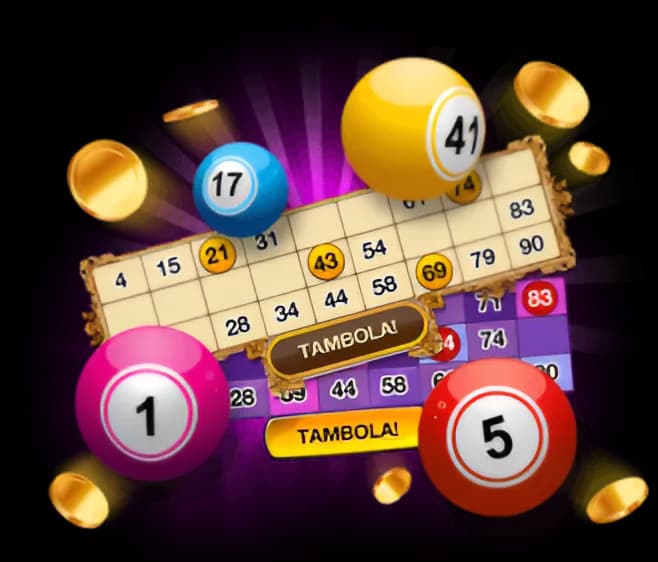
Online Tambola advertising and Housie platform advertising can be particularly relevant for brands seeking access to users who participate in scheduled or community-oriented game sessions. These platforms may create moments where audiences are attentive to announcements, game progress, or event-related communication. The exact advertising opportunity will vary by platform, so brands should confirm the format, timing, placement, and approval process in advance.
When planning a campaign for a Tambola or Housie audience, consider the following:
- Session structure: Identify when users join, wait, play, and finish a session.
- Message timing: Avoid placing important information where it may be missed during active gameplay.
- Audience expectations: Keep the tone suitable for the platform's community and the nature of the event.
- Language and location: Adapt the message to the audience served by the specific platform.
- Creative clarity: Make sure the advertisement is legible on mobile screens and does not rely on excessive text.
- Call to action: Give users a practical next step if the campaign is intended to drive visits or enquiries.
A brand may also use different creative versions for different audiences or sessions. For instance, the same campaign could have regional language adaptations, different product benefits, or separate landing pages. Each variation should be tracked so the brand can compare performance accurately.
Develop Creative That Fits the Gaming Environment
Creative quality has a direct influence on whether users notice and understand a message. Gaming audiences are often focused on the platform experience, so advertisements need to communicate quickly. Start with one main message rather than trying to explain every product feature at once.
A practical gaming advertisement often includes:
- A clear brand identifier.
- A short headline that explains the benefit or purpose.
- Visual elements that support the message without creating clutter.
- A readable call to action when an action is required.
- Accurate offer details and appropriate disclaimers where necessary.
Creative should be designed for the actual placement. A banner, interstitial, sponsored message, and in-platform announcement have different space and attention constraints. Reusing one design everywhere may reduce readability or make the message feel disconnected from the user experience.
It is also useful to prepare multiple versions for testing. Variations can focus on different headlines, visuals, calls to action, or language choices. Testing should be controlled: change one important element at a time where possible, and avoid drawing conclusions from very limited exposure.
Align the Campaign With a Clear Objective
Advertising decisions become easier when the campaign has one primary objective. Awareness campaigns may focus on reach, visibility, or brand recall. Consideration campaigns may encourage users to visit a website, explore a product, or learn more. Action-oriented campaigns may aim to generate enquiries, registrations, downloads, or purchases.
The objective should influence the format and landing experience. If the goal is awareness, the message may need to prioritize recognition and memorability. If the goal is response, the advertisement should explain what users should do next and why the action is worthwhile.
Brands should avoid using vague goals such as getting more exposure without defining what success means. A practical campaign brief can include:
- The business or marketing objective.
- The intended audience.
- The campaign dates and markets.
- The key message and offer, if applicable.
- The selected platform and proposed placements.
- The desired user action.
- The measurement method.
- The approval and compliance requirements.
Measure Campaign Performance Carefully
Measurement allows advertisers to understand whether the campaign is reaching the intended audience and supporting its objective. Available metrics depend on the platform and tracking setup, but brands may review delivery, impressions, clicks, landing-page visits, enquiries, registrations, or other agreed actions.
It is important to distinguish between delivery metrics and business outcomes. A high number of impressions shows that the advertisement was served, but it does not by itself demonstrate that users understood the message or took action. Similarly, clicks can indicate interest but may not represent qualified leads or completed purchases.
Before launch, agree on how results will be recorded. Useful practices may include:
- Using a dedicated landing page for the campaign.
- Adding tracking parameters to campaign links.
- Using a distinct promotional code when appropriate.
- Separating results by creative version, audience, or location.
- Recording campaign dates so activity can be compared accurately.
- Reviewing both quantitative results and user feedback.
Reporting should remain factual. If the campaign does not produce the expected response, the result can still provide useful information about audience fit, message clarity, placement, timing, or the landing-page experience.
Common Mistakes to Avoid
Using a Generic Advertisement
A message created for a general display campaign may not work inside a gaming environment. It may contain too much text, lack a clear action, or fail to explain why the brand is relevant to the audience. Adapt the creative to the platform and its users.
Interrupting the User Experience
Advertising that disrupts gameplay or appears at an unsuitable moment can create frustration. Discuss placement and timing with the platform before launch, and prioritize formats that provide visibility without undermining the activity users came to enjoy.
Trying to Communicate Too Many Benefits
When a single advertisement contains several products, offers, and messages, none of them may be understood clearly. Select one main idea for each creative unit and direct users to a page where they can find additional information.
Failing to Match the Landing Page
A relevant advertisement can lose effectiveness when the destination page is slow, confusing, or unrelated to the promise in the creative. Make sure the landing page uses consistent language, explains the next step, and works well on mobile devices.
Assuming Every Platform Offers the Same Inventory
Online gaming platforms differ in their audiences, formats, policies, technical capabilities, and reporting options. Ask for current information about available placements rather than basing a campaign on assumptions from another platform.
A Practical Checklist Before Launch
Use the following checklist to review a campaign before the advertisement goes live:
- Is the target audience clearly defined?
- Does the platform reach the markets and user groups that matter to the brand?
- Is the campaign objective specific and measurable?
- Does the selected placement fit the user experience?
- Is the creative readable on the intended device?
- Is the main message easy to understand within a short viewing period?
- Are the call to action and landing page consistent?
- Have links, forms, and tracking methods been tested?
- Are offer terms and important conditions presented accurately?
- Has the platform approved the creative and confirmed the schedule?
- Is there a plan for reviewing performance and making improvements?
This checklist can be adapted for a large campaign or a smaller test. The purpose is to identify avoidable problems before budget and audience exposure are committed.
How to Build a More Effective Long-Term Strategy
A single campaign can provide useful learning, but a long-term strategy should connect gaming advertising with the rest of the brand's marketing activity. The message used on the platform can be aligned with search, social media, email, content, or offline communication so that users receive a consistent explanation of the brand and its offer.
Brands should also review audience feedback and campaign data before repeating the same activity. Consider which messages attracted attention, which placements produced meaningful engagement, and whether the landing experience supported the intended action. Future campaigns can then use the strongest elements while testing new ideas carefully.
Consistency matters, but repetition should not become fatigue. If users see the same message too frequently, its impact may decline. A planned rotation of related creative can maintain recognition while giving the audience fresh reasons to pay attention.
Conclusion
To advertise on an online gaming platform effectively, brands need to combine audience understanding with relevant placement, concise creative, clear objectives, and responsible measurement. The platform should be treated as a complete user environment, not just a space where an advertisement can be displayed.
Opportunities such as online Tambola advertising and Housie platform advertising may help brands connect with focused communities when the message, timing, and format are appropriate. By confirming the platform's actual capabilities, respecting the gaming experience, and measuring outcomes carefully, marketers can make better decisions about when and how to use gaming audience advertising as part of a broader promotional strategy.
Frequently Asked Questions
Q1. What does it mean to advertise on an online gaming platform?
To advertise on an online gaming platform means placing an approved brand message within or around a digital gaming experience. Depending on the platform, this may involve visibility-focused placements, promotional messages, sponsored areas, or calls to action that direct users to a website or landing page. The available formats and targeting options vary by platform.
Q2. Is online gaming advertising suitable for every type of brand?
Online gaming advertising can suit many brands, but suitability depends on audience relevance, campaign objectives, creative fit, and platform policies. A brand should first confirm that the platform reaches its intended customers and that its message can be presented naturally without disrupting the user experience. A small, measurable test can help evaluate suitability.
Q3. How can a brand plan effective online Tambola advertising?
Effective online Tambola advertising starts with understanding the session structure, audience, language, and available placements. Brands should use concise creative, choose suitable moments for visibility, provide a clear call to action when needed, and direct users to a relevant mobile-friendly destination. The exact format should be confirmed with the platform before launch.
Q4. What should brands consider for Housie platform advertising?
For Housie platform advertising, brands should consider the audience profile, timing of messages, screen size, tone, and relationship between the advertisement and the gaming experience. The campaign should avoid interrupting important gameplay moments, communicate one clear idea, and use tracking methods that allow the brand to review visits, enquiries, or other agreed actions.
Q5. How should brands measure advertising on an online gaming platform?
Measurement should match the campaign objective. Brands may review delivery metrics such as impressions and reach, engagement metrics such as clicks, and action metrics such as landing-page visits, registrations, enquiries, or purchases. Tracking links, dedicated landing pages, promotional codes, and separate creative versions can help connect platform activity with campaign outcomes.